Beyond the Tie: Finding a Truly Premium Father's Day Hamper in 2024
Every year, it starts with the same conversation. You ask your father what he wants for Father's Day, and he responds with some variation of, "I don't need anything," or perhaps, "Just a card is fine." It is the Great Dad Paradox: the man who claims to want nothing usually appreciates the things he didn't know he wanted.
The challenge for the gift-giver is avoiding the "generic" trap. We’ve all seen those pre-packaged baskets filled with supermarket crackers and a bottle of wine that tastes like it was stored in a hot garage. When we search for a premium hamper, we aren't just looking for more stuff; we are looking for curation. A premium set is an edited experience—a collection of items that share a theme, a quality standard, and a sense of discovery.
The Shift Toward Experience-Led Gifting
In 2024, the definition of a "premium" hamper has shifted. It is no longer about the sheer volume of contents or the size of the basket. Instead, the focus is on artisanal sourcing and narrative.

The best sets this year move away from mass-produced luxury and toward small-batch excellence. Think less "imported chocolates" and more "single-origin cacao from a family-run Helpful resources farm in Ecuador." The value now lies in the story behind the product. A hamper that includes a hand-poured candle from a local studio or a cheese aged in a specific alpine cave feels thoughtful because it suggests you didn't just click "buy"—you selected something rare.
Why does this matter? Because for many fathers, the joy isn't in the ownership of the object, but in the act of consumption and discovery. A high-end hamper transforms a Tuesday afternoon into a tasting event.
Matching the Hamper to the Fatherly Archetype
The biggest mistake people make is choosing a "best-seller" rather than a "best fit." To find the right premium set, it helps to categorize the recipient not by his age, but by how he spends his downtime.
The Epicurean
For the dad who treats grilling like a science or views a charcuterie board as an art form, look for sets that emphasize savory complexity. A premium Epicurean hamper should avoid the basics and instead offer:
- Truffle-infused oils or aged balsamic vinegars.
- Small-batch cured meats (think Iberico or Wagyu biltong).
- Hard-to-find condiments, like hot honey or specialty mustard.
The Ritualist
Some fathers find their peace in the morning coffee or the evening nightcap. For them, a premium hamper is about enhancing a daily habit. Look for sets that provide an upgrade to their existing routine:
- Single-origin coffee beans paired with a precision grinder or a sleek French press.
- A curated selection of Japanese whiskies or craft gins with botanical mixers.
- High-end glassware that makes the drink feel like an occasion.
The Modern Traditionalist
This is the dad who appreciates quality but isn't looking for "fancy" for the sake of fancy. He wants things that are durable, timeless, and functional. A premium set for him focuses on tactile luxury:
- Leather-bound journals or high-quality stationery.
- Organic cotton loungewear or a weighted eye mask for better sleep.
- Gourmet snacks that are comforting but elevated—like hand-baked shortbreads from a renowned bakery.
How to Spot "Filler" vs. "Premium"
When browsing online catalogs, it is easy to be swayed by beautiful photography. However, the difference between a $50 set and a $150 premium set often comes down to the "filler."
Ask yourself: If I took out the basket, would these items still be impressive?
Many mid-tier hampers use "volume fillers"—generic pretzels, mass-market jams, or oversized boxes of crackers—to make the set look full. A truly premium hamper is lean. It may have fewer items, but each one is a destination product. Look for specific brand names, certifications (like Organic or Fair Trade), and descriptions that explain why a certain item was included. If the description says "a variety of snacks," it's filler. If it says "hand-harvested sea salt from the coast of Brittany," it's premium.
The Human Element: Beyond the Packaging
A hamper, no matter how expensive, can feel corporate if it arrives as a cold transaction. I remember my uncle receiving a massive, expensive gift basket years ago that was visually stunning but felt like something sent by a law firm. He liked the food, but he forgot who sent it within a week.
Contrast that with a smaller, curated set of rare hot sauces and a handwritten note that said, "I remembered you mentioned liking spicy food back in 2012, so I found these." That is where the real value resides.
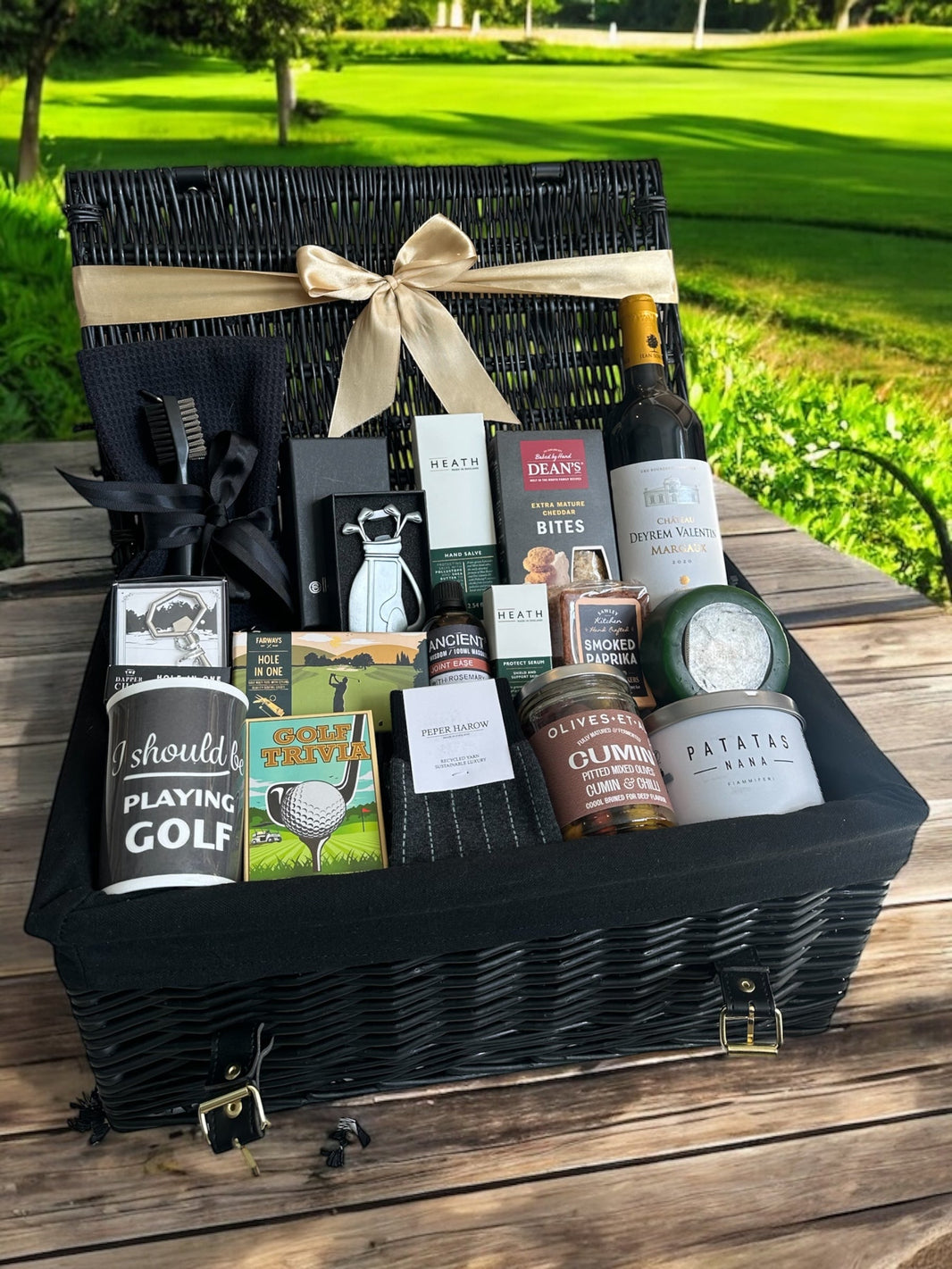
As the saying goes, "The gift is not in the object, but in the thought." In the context of a premium hamper, the "thought" is evidenced by your willingness to find things he wouldn't buy for himself.
To elevate a pre-made set:
- Request a personalized note: Avoid the generic "Happy Father's Day" card. Mention a specific memory from the past year.
- Time the delivery: Ensure it arrives a day early so it doesn't get lost in the holiday shipping rush, allowing him to enjoy it without the stress of a missing package on the actual day.
Looking Toward a More Intentional Celebration
Gifting is ultimately an exercise in visibility—it is a way of telling someone, "I see who you Beer Enthusiast are, and I appreciate what you bring to my life." Whether you choose a set centered around rare spirits or one focused on artisanal wellness, the goal is to provide a moment of pause.
In a world of digital subscriptions and instant downloads, there is something profoundly grounding about a physical hamper. It's an invitation to slow down, open a bottle, taste something new, and recognize that while he might say "a card is fine," he deserves much more.