The Ethical Shopper's Guide: How to Find High-Quality, Local Artisan Gifts Online
Do you remember the sheer pleasure of finding a unique item at a bustling farmer’s market? That feeling—the moment your fingers brush against something beautifully crafted, imbued with years of human skill and personal history—is magic. Yet, in the age of Amazon Prime and global e-commerce giants, that experience often feels like an echo, replaced by endless scrolling and identical product photos. If you want to give a gift that truly tells a story, that supports a small community, and that avoids the pitfalls of mass production, you’ve come to the right place. Finding genuine craftsmanship online can feel like navigating a digital labyrinth, but with a few insider strategies, you can master the art of thoughtful gifting.
Understanding What "Artisan" Really Means in a Digital World
Before hitting any search bar, it's vital to understand that artisan is not just a synonym for "handmade." A truly high-quality artisan product carries an inherent signature: it reflects time, intentionality, and specialized knowledge passed down through generations. Think of the difference between buying a factory-printed t-shirt (which uses standardized processes) and purchasing a hand-dyed textile from a weaver who has lived by that craft for forty years. The former is merchandise; the latter is wearable art.
When searching, you are looking for evidence of process. A reliable artisan’s product will often display visible imperfections—a slight asymmetry in pottery, a unique grain pattern in wood carving. These aren't flaws; they are proof that a human hand was involved and that it was created outside the sterile perfection of an automated machine. This difference is worth its weight in gold (or at least, your gifting budget).

Mastering the Search Platforms and Directories
The internet is both our best friend and our biggest distraction when hunting for local goods. Simply searching "artisan Click here for info gifts" will yield a tidal wave of mediocre results. To narrow your focus effectively, you need to become a digital detective.
- Local Niche Marketplaces: While big platforms are convenient, seek out smaller, curated online directories dedicated specifically to regional crafts or ethical commerce. These sites have already done the heavy lifting by pre-vetting vendors for quality and locality.
- Hyper-Specific Social Media Searches: Instead of general hashtags like #handmade, try searching platform tags specific to materials or techniques (e.g., #pottersofdenver, #blacksmithlife). This helps you bypass resellers and connect directly with the practitioners themselves.
- University & Museum Gift Shops Online: Believe it or not, many local museums and university fine arts departments have online shops that vet their vendors to maintain a certain standard of quality. They act as trusted curators, guiding you toward authentic goods.
These targeted approaches significantly improve your chances when trying how to find high-quality, local artisan gifts online. Are you willing to spend an extra ten minutes digging through niche directories Boutique Gift Collection instead of clicking the first result? That small investment pays massive dividends in authenticity.
Vetting Quality: The Due Diligence Checklist
Once you’ve found a promising listing, your critical thinking skills must kick into high gear. Buying artisan goods online requires more due diligence than buying from a major retailer because there is no physical inspection possible. You are essentially trusting someone with their livelihood and your gift budget.
What to check for:
- The Maker’s Story (and the Depth of It): Does the profile simply say "Handmade"? Or does it detail why they use a certain type of clay, or where they source their dyes? The richer the backstory, the more likely the product is genuinely connected to the maker's identity.
- Material Transparency: High-quality artisans are transparent about sourcing. If they claim to use reclaimed wood, can they speak to its origin? If they say "natural dyes," do they elaborate on which plants or minerals were used? This level of detail acts as a shield against greenwashing.
- Review Specificity: Don't just look at high star ratings. Read the reviews for specific details. Does a reviewer mention how solid the weight feels, or the quality of the stitching? General praise like "Love it!" is nice, but technical praise provides proof points.
It reminds me of the time I was looking for unique ceramics for a friend and stumbled upon a profile that described their kiln firing process in painstaking detail—the kind of information only someone obsessed with the craft would know. It instantly separated them from every other seller on the platform. As one expert once noted, "The true measure of quality is not how it looks, but what story it refuses to tell."
Connecting with the Maker: Beyond the Checkout Button
The most rewarding aspect of finding how to find high-quality, local artisan gifts online isn't the gift itself; it’s the connection. The purchase should feel less like a transaction and more like an apprenticeship in appreciation.
This is where communication becomes your superpower. Don't hesitate to ask questions that seem too detailed or perhaps even naive. Ask about the process time, care instructions for that specific material, or if they have any variations available. These interactions not only help you make an informed decision but also build a relationship—one that means the world to both you and the maker.
Consider sending a brief, heartfelt message before purchasing: "I love your work on natural dyeing; I'm hoping to find something unique for my sister who loves sustainable crafts." This immediately frames you as a serious collector or gift-giver, not just a casual browser.
Cultivating Your Ethical Gift Journey
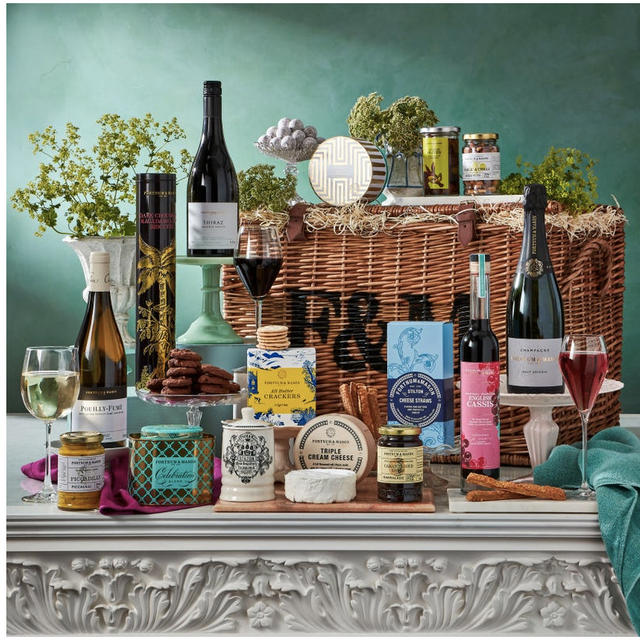
Finding the perfect gift should be an act of discovery, not a chore. As you become more practiced at identifying true craftsmanship online, your entire gifting philosophy will evolve toward supporting local economies and sustainable practices. Look beyond singular items; consider bundling experiences—a hand-poured candle paired with locally roasted coffee beans, or a small textile piece alongside regional artwork prints.
The journey of finding the perfect gift is really about curating an experience for the recipient (and yourself!). Start by defining not just what you want to buy, but why you want it—does it evoke warmth? Does it remind them of home? Once you have that emotional anchor, the best products and makers will find you.
A Quick Tip: Before closing your tab, check if the maker has a physical location or pop-up shop schedule. Knowing they exist in your corner of the world adds an extra layer of value to your online purchase.
Keep asking questions, read deeply into every product description, and remember that when you choose artisan goods, you are buying more than just an object; you are investing directly in a culture of enduring skill.